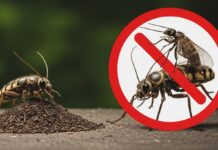
Spring in Longview may signal an increase in pest activity. Pests love warmer temperatures, longer days, and frequent rainfall. Many of them emerge from winter dormancy and start searching for food, water, and shelter. Ants and termites become more active as the soil warms, while spiders follow insects into homes. Rodents leave winter hiding spots and explore new areas for nesting and feeding. This means homeowners must work with Pointe Pest Control more frequently to eliminate current pests and take preventive measures to prevent future infestations.
Summer Supports Breeding and Expansion
Pets may take advantage of the warmth and abundant food that summer offers. Summer in Longview may also cause an increase in human activity outdoors. Pests can enter homes through open windows, doors, and backyard gatherings. Insects attracted to lights may follow pathways indoors, while rodents seek shelter in shaded areas or storage sheds.
Fall Triggers Indoor Movement
Outdoor conditions become less favorable for pests as temperatures drop in fall. Many insects and spiders seek warmth and shelter indoors. Rodents and other small animals move into attics, basements, and wall voids to escape the cooling air. Fall is also the time when ants and cockroaches search for hidden food and water. They are drawn to moisture near foundations, leaks, and damp areas inside homes.
Winter Drives Pests to Shelter
Winter in Longview slows outdoor insect activity but increases indoor pest problems. Pests are driven towards heated spaces because of cold temperatures, snow, and frozen ground. They may use stored items in basements, garages, and attics for nesting or hiding. Also, pests love the warmth around furnaces, plumbing, and electrical lines.
Moisture and Temperature Influence Activity
Seasonal changes affect moisture and temperature, which influence pest behavior. Spring rain and summer humidity can lead to soft soil and damp wood. Such conditions can support ants, termites, and carpenter bees. Winter dryness and heat sources inside homes draw silverfish and spiders to indoor spaces. Temperature fluctuations during transitional seasons, like spring and fall, can trigger increased movement. Pests leave protective areas to find stable conditions. H
Food Availability Guides Movement
Fresh vegetation, insects, and outdoor debris in spring and summer can provide plentiful meals for pests. Rodents feed on garden crops, seeds, and fallen fruit. Ants follow sugar and protein sources outdoors. Food sources outside diminish when fall arrives, prompting pests to move inside for stored human food or pet food. Winter forces complete reliance on indoor resources, so kitchens, pantries, and even trash areas become hotspots.
Breeding Cycles Align with Seasons
Many pests time their breeding to seasonal patterns. These cycles impact when infestations grow and when control measures are most effective.
Outdoor Habitats Affect Indoor Activity
Seasonal changes in outdoor conditions influence where pests live before moving indoors. Pests can take shelter under leaf piles, mulch, and fallen logs in spring and summer. Decaying vegetation becomes less hospitable as fall arrives, pushing pests toward homes.
Trees and shrubs near structures offer direct pathways for ants, spiders, and beetles. Rodents take advantage of outdoor debris and landscaping to approach walls and find entry points. Seasonal yard maintenance can reduce these risks.
Seasonal Pest Awareness Supports Prevention
People who understand how pests respond to seasonal changes can anticipate issues. They can also catch early signs of pest movement if they inspect basements, attics, and crawl spaces during transitional seasons. It is important to seal cracks, remove outdoor debris, and manage moisture to reduce the risk of pests invading homes.
Climate Impacts Local Pests
The mild, wet climate in Longview supports continuous pest activity across seasons. Rain, humidity, and moderate temperatures allow species to survive and thrive throughout the year. Homeowners must remain vigilant even in winter, as indoor conditions provide warmth and food that maintain pest populations. Seasonal changes change where pests live and how they interact with homes.