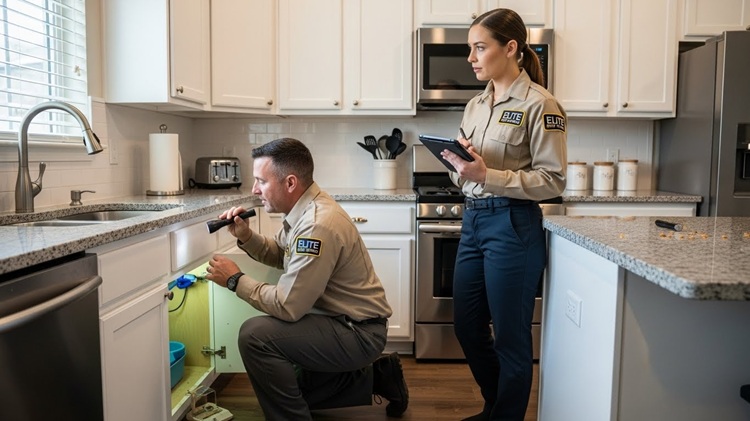
Mice show up in Denton homes if they have constant access to food, water, and shelter. Homeowners who discover an activity may wonder if they can eliminate these pests for good. The answer depends on how the home, yard, and habits change. Getting rid of mice for good in Denton is possible, but it requires an understanding of why they arrive and what keeps them coming back. That is why Denton pest control specialists usually inspect homes to investigate possible causes and triggers. This allows them to take preventive measures to ensure roaches do not come back.
Why Denton Homes Attract Mice
The presence of older neighborhoods and new builds in Denton provides mice with many opportunities to invade homes. These rodents will take advantage of small gaps around doors, pipes, and foundations. They usually target garages, attics, and crawl spaces as these offer them quiet shelter.
Also, mice target pantry items, pet food, bird seed, and trash to have meals. Other factors that can make homes attractive to mice include outdoor conditions and seasonal weather changes.
What “For Good” Means with Mice
Removing mice once does not guarantee they stay gone. New mice may move in if conditions remain favorable. Getting rid of mice for good means breaking the cycle that invites them back. This involves more than traps alone. Traps remove current mice, but they do not address entry routes, food access, or shelter. A lasting solution focuses on treatment, prevention, and constant monitoring.
Mice squeeze through openings as small as a coin. Gaps must be sealed to block access and limit future activity. Common areas that need attention include door sweeps, garage seals, utility line openings, vents, and foundation cracks. Attic vents and rooflines also deserve inspection. Homes with older construction often have gaps that developed over time. These openings must also be closed to reduce the chance of repeat visits.
Why Traps Alone Are Not Enough
Traps help remove active mice, but they work best as part of a larger plan. Relying only on traps treats the symptom. Mice continue to explore the area when food and shelter remain available. New mice replace the ones removed. This leads to repeated trapping without lasting results. Traps also require correct placement and monitoring. Poor placement limits success and allows mice to avoid them.
Importance of Food Control
Food access shapes mouse behavior. Sealed containers in kitchens and pantries reduce access to dry goods. Pet food should stay stored in sturdy bins. Trash cans with tight lids limit attraction. Outdoor feeding areas, such as bird feeders, may need adjustment or relocation to make a home less attractive to mice.
Controlling Water and Moisture
Mice need water each day. Their activity can continue if they get access to it in laundry rooms, bathrooms, and kitchens. Reducing moisture lowers comfort for mice and supports long-term control.
Clutter and Shelter Encourage Return Visits
Mice prefer quiet areas with cover. Clutter inside and outside the home increases shelter options. Storage rooms, closets, and attics with unused items give mice places to hide and nest. Stacked wood, tall grass, and dense shrubs near the house offer cover close to entry points. Reducing clutter limits nesting options and forces mice into open areas where control efforts work better.
Why Neighborhood Activity Should be Considered
Mice activity in nearby homes or construction areas can push mice to seek new shelter. New developments and renovations disturb outdoor nesting areas. Displaced mice search for nearby homes with easy access. This makes ongoing prevention important, even after a successful removal. changes.
Professional Help and Long-Term Results
Professional pest control often improves long-term success. Experts identify entry points that homeowners may miss. They also assess exterior conditions that support mouse activity. Romney Pest Control professionals often combine trapping, exclusion, and habitat changes.